Comparing Repair, Replacement and Cover for Costly Gadgets
Technology keeps getting more capable, but it also keeps getting more expensive. Artificial intelligence features now appear in many new laptops and devices, and Gartner forecasts that AI PCs will account for 55% of the global PC market in 2026.
The expense of having to replace a damaged, lost or stolen gadget becomes more difficult to bear as consumers and businesses invest in more and more complex products. That is why it is worth considering the financial consequences of repairing or replacing or protecting something prior to its failure.
The reason why the modern technology is costly to switch.
Nowadays, most trending devices have the power of high-end processors despite their sizes, high-resolution screens, special cameras and hardware with AI capabilities, which also contribute to the cost of purchase.
You might also have to pay software subscriptions, accessories, cloud storage or setup. In a replacement of a laptop, you would be spending time on reinstalling the software and redefining the accounts and files. And when you are working or studying you can find that to be an expensive downtime.
Knowledge of risk and reward of repairs.
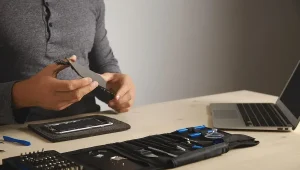
Repairing a device is much cheaper, especially when it is a single unit that is damaged. An example of this includes battery change or screen replacement that can increase the life of a phone by several years.
The best argument is when the item continues to suit your needs. When your smart phone is running latest software and retaining its value, you may find that £100 that you pay to have it refurbished much more appealing than the four figures that you pay to get a new phone.
However, they do carry some risk. Older products could also get even more imperfect than initially through the repair process, and out-of-production models might require expensive/poor quality spares due to lack of supply.
The consumer experts would propose considering replacement when a repair costs a large percentage of the cost of a corresponding new product, especially when the device is a few years old.
Where cover comes in
Insurance sits somewhere between the two. Rather than reacting after something goes wrong, you pay an ongoing premium to lessen the impact of future problems.
Take mobile phone insurance as an example. Depending on the policy, it may cover accidental damage, theft, loss and mechanical breakdown. Similar protection exists for tablets, laptops, smartwatches, gaming consoles and other high-ticket electronics.
Insurance is most likely to be valuable when replacing the device would strain your pockets or other cases where you need the device on a daily basis. A freelancer who uses a laptop as their source of income might require a fast replacement and technical support than the other individual.
Becoming the owner, examine the surplus fees, claims limits, exceptions and offered options by the insurer: repair, refurbishment or new item.
It does not necessarily make the cheapest alternative to be the best when convenience is considered, as well as the probability of additional issues in the future. The reasonable option is based on the worth of your gadget, its state and the degree of dependence on it.


