Establishing a Healthy Sanctuary in Your Living Space
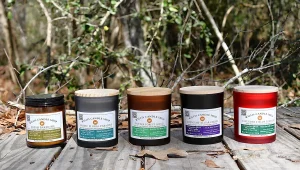
Moving into a new environment or resetting a familiar home involves a delicate rhythm of unpacking, organizing, and establishing new routines. Beyond the physical boxes and furniture arrangements, creating a true sanctuary requires paying close attention to the sensory layers that define daily life. As families settle in and look for ways to cultivate warmth and comfort, incorporating thoughtful seasonal details—such as those found within a fall and winter candle collection—can completely transform the atmosphere of a room. Yet, bringing home fragrance items into a newly reset household invites a closer look at what is actually burning. Understanding the material science behind everyday products helps ensure that your family’s indoor air quality remains protected as you establish your new daily rhythms.
Redirecting the Action to indoor Air Quality when Reorganizing the Home.
During movements in families to a new neighborhood or in some cases a complete domestic makeover, the first thing to consider is naturally about functional necessities. The most important things are unpacking kitchen supplies, assembling bedroom furniture, establishing routine daily schedules and exploring local parks. But, after the preliminary unpacking dust has settled, homeowners start examining the finer details that transform a building into a real home. Lighting, fabrics and minor aromatic components are used sporadically in the background to alter mood, relaxation and general wellness. Regrettably, most common domestic products have been selected on pure bases of their visual or imminent tactile gratification even when their material content is not properly reflected. With the consumer consciousness in the modern world changing, the significance of indoor air health has gained the same importance as that of color of paint chosen and durability of sofa picked. Analyzing the microscopic emissions of any common items will mean that you will have a safe and breathable home to all those you have beneath your roof.
Virtual Reality: The Traditional Paraffin Paradigm and Its Trade-Offs.
In order to understand the importance of modern material selection, it is important to review the historical groundwork of the mass-market candle industry. Over a hundred years a petroleum-based paraffin wax has held sway in retail shelves all over the world. Conceived as a heavy hydrocarbon residue that is left behind at the bottom of the barrel during crude oil distillation, paraffin was a quick industrial favorite due to the fact that it is cheap, can be found in large quantities and it has the ability to retain huge doses of synthetic fragrance. To major manufacturers, paraffin provides predictability in its handling and high returns. However, considering the principles of combustion science and indoor ecology, there is a massive amount of unaddressed implications of burning a petroleum derivative. The partial burning of paraffin may often result in the release of small amounts of particulate material of black carbon (also referred to as soot, often visible on walls and ceilings) and minor amounts of volatile organic compounds (such as benzene and toluene) when a burning wick is used to subject the paraffin to burning. To families that are battling to keep the toxin-aware home environment as clean and healthy as possible, a shift to petroleum paraffin is a logical and health-conscious move.
The Organic Essential Oil Movement and Its Thermodynamic Realities.
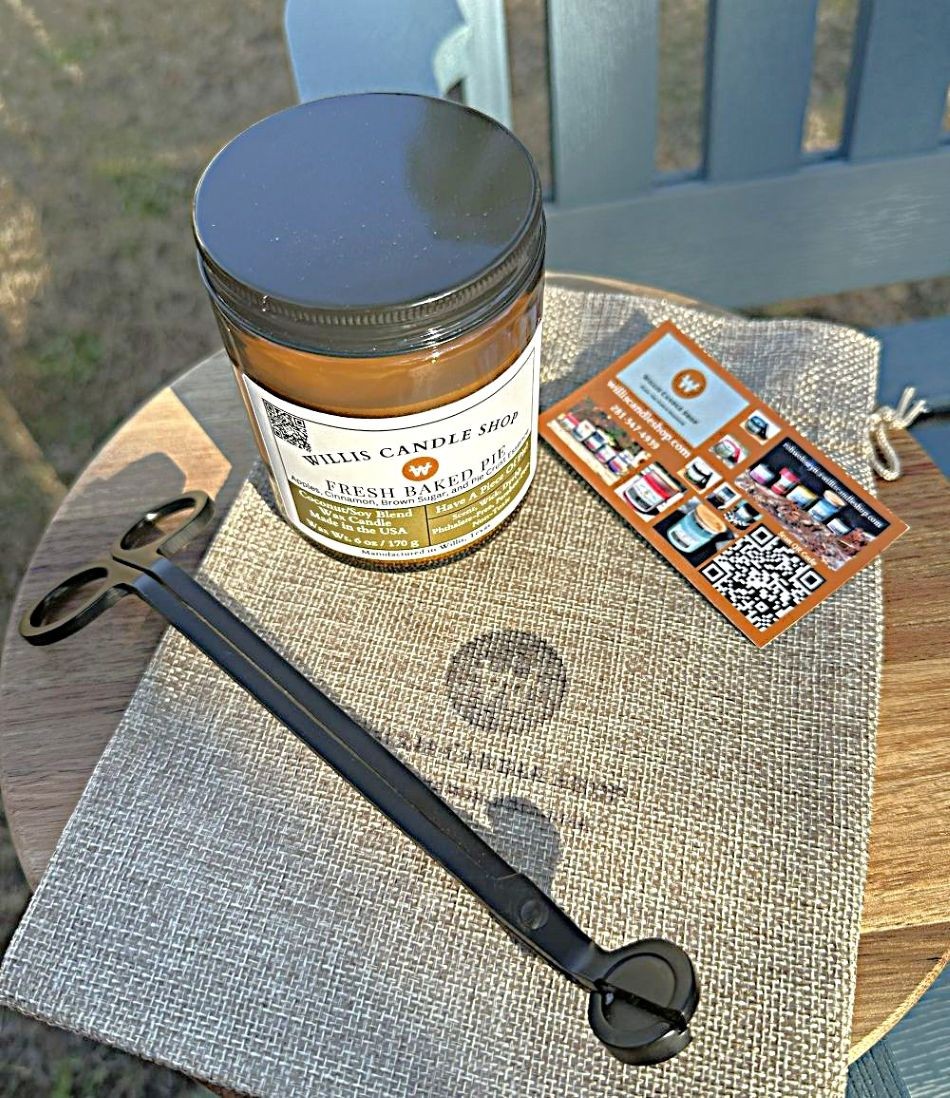
As the logical response to the environmental and health disadvantage of using petroleum products, the holistic wellness niche of the perfume industry promoted the use of 100% pure, organic botanical essential oils as an alternative scenting agent as a natural one. To a consumer aiming to live an absolutely natural life, a candle perfused with only unadulterated lavender, eucalyptus, or citrus essential oils, will seem the ultimate symbol of clean living. The reputation of botanical extracts in natural skincare, cosmetics, massage therapy as well as aromatherapy has been solid due to their true therapeutic effects. The modern consumer culture makes an assumption that all substances extracted directly out of nature, which have an organic label, should, in turn, be deemed flawless and that they cannot hurt anyone in any situation. This cultural dogma compels most house owners to find plant-based home products in the quest to achieve complete purity. Nevertheless, this trend can be studied using the laws of chemistry and thermodynamics in order to unearth an interesting, very technical paradox that is less talked about in wellness news.
Is It Thermal Stress that causes Extraction Figure to Severe at 2,500 Degrees?
The fundamental paradox of the organic essential oil candle movement is the high physics of combustion of flames. Pure botanical essential oils are very complicated chemical products created by nature to be used as a topical agent or at low temperatures, ultrasonic diffusion in a room. Traditionally and in practice, essential oils are distributed to be used in body lotions, face creams, shampoos, conditioners and in personal perfumes without ever exposed to high temperatures. When such sensitive, natural plant molecules are placed into a candle and exposed to the volatile, 2,500-degree Fahrenheit thermal burst of a burning wick, they immediately degrade on a molecular level. Rather than a pure, steady botanical perfume, in your living room, overheated plant compounds decay quickly at some random gaseous excretum, acrid burned aromas, or distorted molecules, which may provoke sensitive respiratory tracts. Although these decomposition substances would be no disastrous threat, the basic misfit of high-temperature flame combustion with topical plant extracts indicates that the essential oils are going to work totally out of their natural biological design.

The HAEVED Engineering of Botanical Matrices in Eco-Friendliness.
It is acknowledged that petroleum paraffin ecologically compromised, and organic essential oils are thermally unstable; thus, the sophisticated eco-friendly candle industry has adopted a multi-component, engineering strategy. Instead of using a single raw material, artisan masters come up with elaborate composite waxes- these are using renewable soy wax, organic coconut wax and raw structural beeswax. The hybrid approach effectively overcomes the physical constraints of straight plant waxes. To use 100% soy wax as an example; it is always environmental as it is renewable; however, the tight, stubborn nature of the molecular structure usually limits the dispersion of fragrances and imbalanced tunneling of the burn cycle. Using coconut filtrate to keep the melt pool cool and give the highest scent throw, and unrefined beeswax to add structural rigidity and a clean, even burn, producers can obtain excellent performance without needing oil derivatives and volatile chemical additives. Such sophisticated botanical combination creates a new standard of sustainable luxury at home.
A discussion of the Advantages of Fragrance Oils Lab-Engineered.
These complex botanical wax foundations are supplemented by the eco-friendly candle sector with library-created synthetic and compounded fragrance oils specifically tailored to thermal strength. In comparison with the fine plant extracts, which decompose under high heat and burn, the high-quality fragrance oils have been carefully developed and tested in controlled laboratory conditions to be able to endure high temperatures of combustion without mortality. These synthetic resins are durable in the liquid wax pool and on anointing, will readily vaporize at a designated pace when pumped up the wick in order to reduce the unwanted volatile organic compounds in the air and eliminate the harsh degradative products of the overheated essential oils. Such scientific accuracy makes this consistency, phthalate-free and non-toxic scent throw reliable and stable in its form throughout the initial light to the last burn. With conscious, the conscious consumer can get a high-quality, reliable product that meets the demands of indoor air quality and personal health by substituting the lab-tested fragrance oils with a renewable coconut-soy-beeswax foundation.
Label Literacy and Conscious Consumerism practical steps.
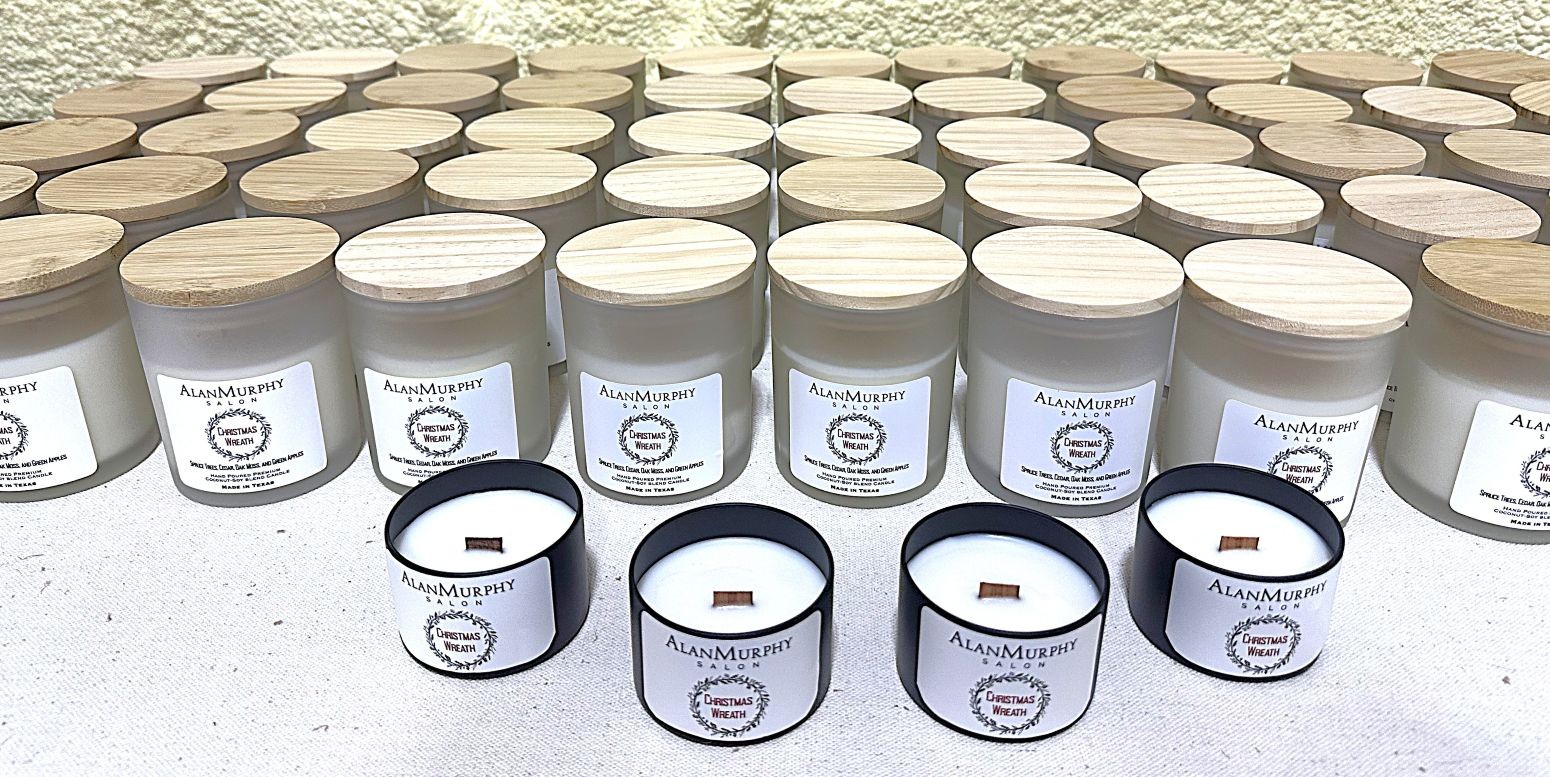
Shifting a household towards a healthier, more sustainable household means formulating habitual label literacy. Spending time in a store to examine packaging ingredient labels, the inclusion of wax, and methods of production, will enable you to trudge through marketing jargon. A common confusion in the business of candles concerns the difference between the gross container capacity and actual net weight of the wax. Glassware that is marketed as a fancy ship often uses the absolute capacity of total liquid volume to the brim. After manufacturers consider solid wax displacement, the solid physical space needed to burn the wicks properly, and a recessed lid closure, that same container has much less actual poured wax in it. Minimizing uncertainties such as checking the accurate net weights in ounces and grams, certifying phthalates-free, and knowing the source of your wax and fragrance ingredients are sure that your investments in your home would yield actual value and safety.
Creating a Long-term Coziness and tranquility in Your Home.
Finally, turning a newly settled home into a beloved one is a long process that is constructed on the purposeful decisions and calming routines. As much as you need to create traditions in your family, visit local parks and arrange where you will live, the material science of your home environment raises your overall quality of life just as high. You can overcome the ecological concessions of the petroleum paraffin and the thermal constraints of the essential oils and welcome to yourself the safety sophistication of the easily produced botanical waxes that are environmentally friendly. Here, you can build your own home out of warm, breathable and deeply restorative space by focusing on renewable ingredients and stringent manufacturing practices and careful domestic lifestyle so that your family will flourish in years to come.