How Data Has Become So Important in Sports
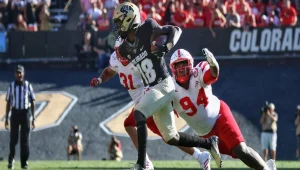
There used to be a time when sports coaches and athletes relied on gut feelings and intuition. Experience also played a part in how a game or event would be approached and played. These subjective factors informed training and games alike, with innate sporting ability valued above all else. But times have changed.
Sports have now been transformed by an era of objectivity. Science and data play a much bigger part in the success of your favorite team or athlete. Numbers have become all-important, from the online sports betting statistics to the performance data of the athletes themselves.
The tiniest details have become important, as athletes in all sports aim to gain an edge on their competitors. It is not enough these days to rely on pure skill and talent. Data is helping the modern champions succeed. And that is not the only area of sports where data is having such a transformative impact.
Data Metrics and Analysis
The most visible way that sports athletes’ performance is measured is through the use of wearables. It is clear to see when professionals are wearing clothing that is specifically designed to fit in with any uniform, with the sole intention of collecting data that can then be analyzed.
This data is gathered for all kinds of reasons – and is also collected during training sessions – to enable coaches to improve small areas of an athlete’s performance. Whether it is the amount of yards covered, the average speed, or the positional play, the data is crunched by analysts and AI to make the athlete better.
Strategy and Tactics
Once the data is collected and analyzed, the findings can be used to inform future strategy and tactical play. Unlike in the past, when a coach would have to rely on his or her own thoughts and beliefs about a performance, the data gives an objective reading on what has happened in a game.
When a coach knows exactly what has happened, backed up by the data, they can then implement changes to improve performance. Routines, routes, and formations can all be tweaked and adapted after discovering the data results. Coaches use the data as a way to change what is not working.
Injury Prevention
GPS vests, tracking devices, heart rate monitors, and other wearable technology can also help with the personal health of an athlete. Injuries are largely considered to be just a part of sports. They are inevitable, and as much as no one wants to suffer an injury, it is likely that all athletes will have to deal with them at some point in their career.
But these wearables can also monitor fatigue and physical strain, enabling coaches to pre-empt some injuries. This is particularly true for common muscle injuries, but can apply to other kinds as well. Complete injury prevention may never be possible, but data collection and analysis can help limit time away from the field of play.
Scouting and Talent Spotting
It is a fact in most sports that the wealthiest teams and clubs are able to afford to sign the best players. Even in the draft-system major leagues of the US, there are always bigger and wealthier teams that are usually more attractive to athletes. The smaller and less wealthy clubs need something else to level the playing field – and data helps here too.
The best-known example of using science to identify elite athletes who have somehow been missed by the bigger and more successful teams is the Moneyball system used by the Oakland A’s. Data-driven strategies can help less-resourced teams compete and increase the parity of sports leagues.
Fan Engagement
It is not just the teams, coaches, and athletes that benefit from the increased use of data in sports. Fan engagement is also improved, as organizations and leagues use data in a way that helps the public become more involved in their favorite teams. Broadcasting companies and the rest of the media also enhance the experience in this way.
The same kind of real-time data that coaches use to improve athlete performance can also be used to update and inform fans. Live game broadcasts also have added value as they can use collected data to tell and show the fan/viewer more about the game they are currently watching.
Game Day Experience
Fan experience is also improved by data at the stadiums and ball parks themselves. With everything now digital and online, all of that information can be analyzed quickly to help with stadium operations and avoid any issues arising. The fans themselves will never even realize that the data is improving their day.
The data collected can involve merchandise sales and cell phone usage, but can also keep track of things like lines and sales at concession stands, allowing stadium personnel to open more if needed.

Figure 2 Fan engagement and enjoyment can also be improved with data collection – Source: Unsplash
Data and Sports
As technology advances and the integration of AI into data collection increases, the relationship between data and sports will only grow. Although there will always be a place for old-fashioned know-how and experience, it will increasingly be complemented by science and data.
Athletes, coaches, teams, leagues, and the fans themselves will all continue to benefit from how data can improve the sports they love. This development in the sports world may not quite go along with the romantic notion we like to have of our favorite teams and athletes, but it will undoubtedly help us enjoy sports even more in the years ahead.