How to Plan a Smooth Crane Lift for Your Residential Building Project
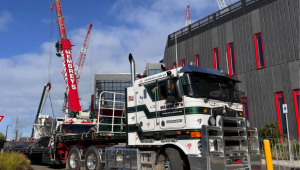
From lifting roof trusses onto a new home to placing a steel beam during a renovation or swinging a spa over the back fence, cranes play a vital role in residential construction. A well-planned lift can save days of labour and reduce the risk of injury, while a poorly planned one can cause costly delays or serious incidents. If you’re arranging crane hire melbourne builders and homeowners rely on, preparing properly before the crane arrives makes all the difference.
This guide walks through the key steps in planning a residential crane lift, so you know what to expect and how to help the day run smoothly.
Common Residential Crane Lifts
Cranes are used for a wide variety of tasks on residential projects. Some of the most common include lifting roof trusses and frames, placing steel beams and lintels during renovations, installing prefabricated pods or modular sections, delivering pools, spas and water tanks, lifting air conditioning units onto roofs, and placing bulky building materials on upper levels.
Each lift has its own requirements, which is why early planning with your crane provider is so important.
Step One: Share the Details
The more information you can provide, the better your crane provider can recommend the right machine. Be ready to share the weight and dimensions of the items being lifted, how far they need to travel from the crane, the height they need to reach, the address and access details for the site, and any obstacles such as trees, buildings or power lines.
Weight and radius are critical. A crane’s capacity reduces significantly as the distance from the crane to the load increases, so a lift that seems small can still require a larger crane if it needs to reach over a house or across a backyard.
Step Two: Assess Site Access and Ground Conditions
Cranes are heavy machines that need stable ground and adequate space to set up.
Access to the Site
Consider whether the crane can get to the position where it needs to set up. Narrow streets, low-hanging trees, tight driveways and parked cars can all affect access. Your crane provider may conduct a site inspection to check these factors.
Ground Stability
When a crane extends its outriggers, the load is concentrated on a small area. Soft ground, recently backfilled trenches, underground services, septic tanks and stormwater pits can all create risks. Crane operators typically use outrigger pads to spread the load, but the ground beneath still needs to be suitable.
Step Three: Check for Overhead Power Lines
Overhead power lines are one of the most serious hazards in crane operations. Contact with power lines can be fatal and can occur even without direct contact if a crane gets too close. In Victoria, strict exclusion zones known as No Go Zones apply when working near overhead electrical assets, and WorkSafe Victoria provides guidance on these requirements.
If power lines are near your site, discuss this early with your crane provider. In some cases, the electricity distributor may need to be contacted to arrange a spotter, line covers or a temporary disconnection.
Step Four: Arrange Permits
If the crane needs to set up on a public road or footpath, a permit from your local council will often be required. Some councils also require traffic management plans and qualified traffic controllers, particularly on busy roads. These approvals can take time, so apply well before your scheduled lift date.
Step Five: Plan the Lift Itself
For many lifts, a documented lift plan outlines how the job will be completed safely. This may include the crane’s position, the load’s weight, the lifting gear required, the path the load will take and the roles of everyone involved. Lifts are carried out by a licensed crane operator, often working with a licensed dogger or rigger who attaches loads and directs the operator.
On the day, keep the area under the load clear of people. Only those directly involved in the lift should be nearby, and everyone should follow the instructions of the crane crew.
Step Six: Consider the Weather
Strong winds can make lifts unsafe, especially when handling large, flat items such as roof trusses or wall panels. Crane operators monitor wind speeds and may postpone a lift if conditions aren’t suitable. It’s worth having a backup date in mind, particularly during Melbourne’s notoriously changeable spring weather.
Tips for a Smooth Lift Day
Make sure the site is clear and accessible before the crane arrives. Have materials ready and prepared for lifting, with any packaging or straps that need removing already taken care of. Ensure the receiving area is ready, such as having the slab, frames or supports in place. Finally, keep neighbours informed if the crane will affect street parking or access.
Choosing the Right Crane
Cranes come in many types and sizes, from compact city cranes and franna-style pick and carry cranes to large slewing mobile cranes. Your provider will recommend a machine based on the load, reach, site access and setup space.
Final Thoughts
Planning a residential crane lift involves more than simply booking a machine. By sharing accurate details, assessing site access and ground conditions, checking for power lines, securing permits and preparing for the day, you’ll help ensure the job is completed safely and efficiently. With the right preparation and an experienced crane team, even complex lifts can go off without a hitch.