The Smartwatch That Called 911 Before the Witness Did
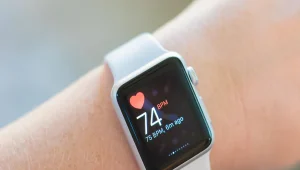
Ten years ago, the first few minutes of an injury scene were the entitlement of whoever was happened to be on the scene: a neighbor who had heard thudding on the wall, a spouse that found a body on the floor or a stranger that had stopped after an accident. Someone needed to witness the event, call and explain what was happening to a dispatcher who can then dispatch emergency responders. A wounded person could take hours before he noticed that something was amiss and no one cares when the person was alone.
That call can sometimes be made today by a smartwatch. Fall or crash detection devices can be implanted which can identify some of the impacts and call out to emergency services when the wearer fails to respond.
The call logs, GPS, and health data that follow could be important to an injury claim in the future but does not depict the full story.
The Fall at Home Reaches Dispatch First
The medical record can be complicated by the time between the injury and its discovery because when an older adult falls at home this may take a long time. The family members might be aware of the last time they spoke to the individual but not so much as when the fall took place. A fall detecting smartwatch can be used to reduce such ambiguity, especially when it makes contact with the emergency services before any other party notices the injury.
The Apple Watch consists of a wearable that notifies the user following a hard fall, according to software presented by Apple (Fall Detection). After the machine passes a test of immobility lasting about one minute, then it will start a 30 second countdown before making an emergency call. When linked, the call can give the responders the location of the device. Apple also logs the falls detected even in the Health app unless the wearer reports that they have not fallen.
Such records could assist in determining a time frame, though the emergency call does not always indicate when injury has occurred. The device needs to identify an event initially, check the reaction of the wearer and make the calling complete. The information in the watch can be handy in future injury claims, in addition to dispatch records, medical records, and eyewitness testimony.
A Collision Can Trigger Its Own Emergency Call
Crash detection is another vehicle feature relying on other sensor and software combinations to detect some of the severe vehicle collisions. Apple Watches and iPhones that are compatible can send an emergency call and make the device issue a notification in case of a non-response. The Crash Detection guidance provided by Apple states that the new technology is oriented towards severe crashes and is not able to detect every collision.
An automatic emergency call can be used to determine when a device has registered a potential crash and the source of the call in a controversial accident. However, the mere fact that the device in the vehicle of one driver emitted an alert but not some other cannot prove who was the cause of the collision. The alert can be determined by the model of the devices and settings, sensor readings, as well as other factors that limit detectivity.
A personal injury firm investigating a serious accident may examine these records alongside vehicle damage, roadway evidence, witness statements, and available electronic data. The smartwatch can contribute to the timeline without replacing a full accident reconstruction.
Not Every Alert Means Someone Was Injured
False alerts can be generated through automatic systems of detection. There is car crash detection which can be activated by just a single impact not necessarily by the wearer falling, and fall detection which can also be activated by some incidents which appear similar to a collision. The occurrence of an event is then not an independent indicator of an injury.
The record that is available can also not be as complete as the users expect them to be. Apple keeps a record of what the appearance of detected falls looks like in the Health app, however, it does not imply that every rejected alert or canceled emergency countdown leaves behind a permanent, visible log of events. In the case of Crash Detection, according to Apple, sensor data that is utilized by the system is typically processed on the device itself, and then disposed of once detected unless the user requests some information to be shared.
Before making a conclusion based on information, investigators have to ascertain what the information actually retained. The fact that an accident has happened by not receiving an alert does not mean that it has not taken place, and neither does receiving an alert confirm the extent of an injury.
Activity Data May Help Show What Changed Afterward
One of the possible sources of evidence is the emergency call. Smartwatches can also monitor the level of activity, patterns of walking, heart rate, and other health indicators that can allow depicting the condition of the person before and after an accident. An individual that would walk thousands of steps daily could lose a significant degree of activity in the recovery period.
That trend might be in favor of, but not without context, reduced mobility. Establishing a watch left charging, a shift in the practice of wearing, a condition or a health condition, or a lack of complete data in capturing the information may provide such variations. Heart-rate rates alone are also unable to prove pain, disturbed sleep or the etiology of a medical condition.
When wearable data can be proved to be relevant and can be proven with due authorship of the data and that it meets the standards of such evidence, then it can be considered in courts. Medical evidence and testimony to clarifiy what the measurements reveal are more helpful than requesting the data to speak.
Preserve the Records Before They Become Harder to Retrieve
After a serious fall or collision, the priority is medical care. Once the immediate emergency has passed, preserving relevant digital information may help establish the sequence of events and document changes during recovery.
- Keep the watch and paired phone. Avoid unnecessary resets or deletions while determining which records may be relevant.
- Check the Health app. Review available fall history, activity measurements, and other information connected to the incident.
- Export relevant health data. Apple’s Health app instructions explain how to export health and fitness information in XML format. The export doesn’t guarantee access to raw fall or crash sensor data.
- Preserve emergency communications. Save available call records and contact the appropriate emergency communications agency about obtaining dispatch records or recordings, subject to its retention and disclosure rules.
A smartwatch is unable to tell why one fell, who did a collision, was another party negligent. However, it can still maintain data that can assist the investigators to create a timeline and comprehend the way in which an injury impacted an individual later.
The machine is no replacement to a witness but in certain situations, it might present the evidence that no human witness was present to record.