Anti-Piracy Solutions: A Practical Approach to Digital Content Protection
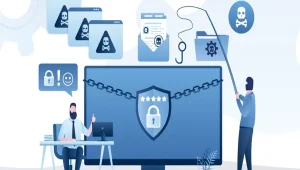
Digital content can travel across the internet in seconds. That convenience has created enormous opportunities for streaming platforms, broadcasters, publishers, educators, and media businesses, but it has also created a wider window for unauthorized copying and distribution. A movie, sports broadcast, online course, or premium video can be recorded and shared before the original provider has time to react. This is why an effective anti-piracy solution should go beyond simply blocking unauthorized users. It should combine prevention, access control, monitoring, and response into a practical protection strategy.
Why Is Digital Piracy Still Difficult to Control?
Piracy is no longer limited to uploading a copied file to a website. Modern digital distribution involves connected devices, streaming applications, cloud platforms, social networks, and multiple delivery channels. Every access point can introduce another security concern. For content owners, the consequences go beyond financial losses.
Unauthorized distribution may weaken licensing arrangements, reduce the value of premium content, and affect relationships with distributors and audiences. There is also a user-experience challenge. Security measures need to protect valuable content without creating unnecessary obstacles for legitimate customers. A system that interrupts authorized viewers can become a business problem itself.
Start by Understanding What Needs Protection
A practical strategy begins with identifying which content carries the greatest risk. Not every digital asset deserves identical security controls.
Consider these factors:
- Commercial value: Premium releases and live events may require stronger protection.
- Audience size: Widely distributed content can attract greater piracy attention.
- Licensing conditions: Some content may have strict geographic or usage restrictions.
- Release timing: Early access to a movie, episode, or event can make leaks particularly damaging.
- Distribution method: Different platforms may introduce different security requirements.
This assessment helps businesses spend their security resources where they can make the greatest difference.
Protect Access Before Focusing on Playback
A secure content environment starts by controlling who can access content. If unauthorized users gain legitimate accounts or playback sessions, other security measures may become less effective. Authentication, session controls, device management, and authorization policies can create clearer boundaries for access.
Providers can also monitor unusual login activity, limit simultaneous streams, or apply geographic restrictions when licensing agreements require them. The goal is not to make access complicated, but to ensure that access remains intentional, controlled, and verifiable.
Encryption and DRM Form an Important Security Layer
Once access has been established, the content itself still needs protection. Encryption helps prevent intercepted media data from being used without proper authorization. Digital Rights Management, or DRM, adds another layer by helping content providers enforce rules around protected playback. Depending on the service, DRM can support controls for authorized devices, applications, viewing rights, and access periods.
Neither encryption nor DRM can stop every piracy technique. Their effectiveness depends on how they are implemented within the wider distribution environment. A sensible security architecture connects these technologies with authentication and other controls rather than treating them as isolated features.
Where Can Content Owners Strengthen Their Strategy?
Several areas deserve particular attention when reviewing digital content security:
- Account protection
Weak credentials and compromised accounts can provide an easy route to legitimate content. Strong authentication and session management can reduce this exposure. - Secure content delivery
Content should not be unnecessarily exposed through openly accessible or poorly protected delivery mechanisms. - Device and platform controls
Security policies should account for the different environments in which customers consume content. - Activity monitoring
Unexpected access patterns can provide useful signals when investigating suspicious behavior. - Incident response
Teams should know what to do if protected content appears on an unauthorized platform.
Looking at these areas together gives organizations a clearer picture of where their existing protection may be strong and where additional controls could be useful.
Why Monitoring Matters After Distribution
Security does not stop once a customer presses play. Monitoring helps content providers identify unusual activity that may indicate account abuse, unauthorized redistribution, or other suspicious behavior. For example, unusual account activity, geographic patterns, or viewing behavior may require further investigation. Monitoring does not prove piracy, but it gives security teams valuable information.
An anti-piracy solution can therefore support a broader protection strategy. Prevention reduces exposure, while monitoring improves visibility and helps organizations respond when suspicious activity appears.
Watermarking Adds Traceability
Watermarking can be useful for high-value video content. Rather than focusing only on preventing unauthorized copying, it can help identify where a leaked copy originated. For example, forensic watermarking can connect identifying information to a specific viewing session or distribution path.
If protected content later appears through an unauthorized channel, this information may help investigators trace its source. Watermarking does not replace encryption or DRM. Instead, it adds another layer of accountability, helping content providers investigate leaks and strengthen their overall protection strategy.
Build a Response Plan Before an Incident Happens
Even a well-designed security system cannot promise that piracy will never occur. Businesses should therefore prepare for the possibility of an incident rather than deciding what to do after one happens.
A practical response plan can establish:
- Who investigates suspected leaks.
- How evidence should be documented.
- Which internal teams need to be informed.
- When platform or hosting providers should be contacted.
- How rights-management or legal teams should become involved.
Having these responsibilities defined in advance can help reduce confusion during a fast-moving incident.
Protection Should Evolve With the Business
Content libraries, customer behavior, devices, and distribution models change continuously. A protection strategy that works today may need adjustment as a business expands or introduces new services. Regular reviews help organizations determine whether their security controls still match current risks.
Businesses should consider platform compatibility, scalability, customer experience, incident history, and emerging challenges when making improvements. The strongest approach is usually layered rather than dependent on one technology. Authentication controls access, encryption protects content, DRM helps enforce usage rights, monitoring provides visibility, and watermarking improves traceability.
Selecting A Practical Protection Approach
Content owners should look beyond individual features when choosing digital security technologies. A suitable solution should fit the existing distribution environment and meet practical business needs.
Important factors include:
- Device and platform compatibility.
- Scalability for growing audiences.
- Integration with authentication and delivery systems.
- Monitoring for suspicious activity.
- Flexibility as security needs change.
The right protection strategy should provide strong security without creating unnecessary complexity for technical teams or legitimate viewers.
Final Thought
Digital piracy requires more than a single defensive measure. Content providers need to think across the entire journey, from user authentication and secure delivery to protected playback, monitoring, traceability, and incident response. A layered strategy can make unauthorized access more difficult while preserving a smoother experience for legitimate audiences. Businesses also need to review their approach regularly as technology and distribution habits change. Doverunner can support organizations looking to strengthen digital content protection through a coordinated security approach. Ultimately, effective anti-piracy planning is about protecting valuable content without losing sight of usability, scalability, and long-term business needs.