How to Choose the Correct AMD Architecture, including EPYC Server and Ryzen Server?
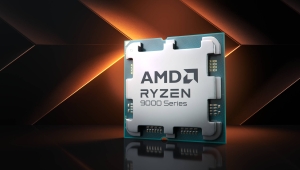
Among the various AMD processor series produced by the company, some of the most popular include EPYC processors, which are mainly used for enterprise computing and data centres, and Ryzen processors, which are mostly used for desktop computers and small servers. Knowing the difference between those two might help companies choose the appropriate type of hardware in accordance with their particular needs.
What Is an EPYC Server?
An EPYC server is a system built with AMD EPYC processors, developed specifically for enterprise computing. EPYC processors feature numerous cores, large RAM capacity, and additional features that are useful for virtualisation, cloud computing, database and analytics, and other computing activities.
The architecture of the EPYC processors is specially developed for use in servers. The processors feature technologies such as ECC memory, several PCIe slots, and other features inherent to always-on systems.
What Is a Ryzen Server?
A Ryzen server is a server architecture that uses AMD Ryzen processors. Ryzen processors are primarily built for desktops, gaming computers, and workstations; nevertheless, they can also be used in servers without enterprise-level capabilities.
The Ryzen processor is capable of delivering high performance in both single-core and multi-core processing at a low cost. It is suitable for small enterprises, developers, content creators, testers, and hosting.
Nevertheless, Ryzen server will not have enterprise-level capabilities like the EPYC architecture. The memory size, PCIe lanes, and other features of the platform will be limited by both the CPU and the motherboard.
Comparison between EPYC Server and Ryzen Server
The main difference between an EPYC server and a Ryzen server is their intended application. The former is used in enterprise applications, while the latter is for performance on personal and workstation computers.
An EPYC server can be used in cases where virtualisation, large-scale database computing, cloud server, enterprise computing, and heavy memory and I/O usage are expected. A Ryzen server can be considered for small-scale operations where load and operational costs are low.
The performance should not be evaluated based on the processor and core frequencies or counts. Server performance will depend on memory bandwidth, PCIe usage, storage configuration, and the number of users/applications.
Important Criteria to Look for
Before choosing between the two platforms, there are some criteria to consider concerning the workload and its potential development.
- The workload is one of the key criteria. If a server has to run multiple virtual machines, databases, and applications, then it makes sense to choose an EPYC platform.
- The budget is another important factor. If a company wants powerful processing performance without buying an expensive enterprise platform, a Ryzen server is what they need.
- The amount of memory and its expandability are other criteria worth considering. Systems that require more RAM, multiple fast drives, and networking cards will benefit from the broader range of platform capabilities provided by EPYC.
- Reliability and manageability are important for business-critical infrastructure. If servers have to run 24/7, there are platform-level features to consider, not just CPU performance.