How to Use a Hire Trailer Safely and Efficiently
Moving house is expensive, and removalist quotes can add up quickly, especially if you’re only moving across town or relocating a small apartment. That’s why many people choose to do it themselves with a little help from friends and a hired trailer. Using a reliable service for Trailer Hire Melbourne residents trust can save you hundreds of dollars, but it pays to plan carefully so your move is safe, smooth and stress-free.
This guide covers everything from choosing the right trailer to loading it correctly and driving safely on Melbourne’s roads.
Choosing the Right Trailer for Your Move
Not all trailers suit every job, so think about what you’re moving before you book.
Box Trailers
Standard box trailers are ideal for smaller moves, garden waste, boxes and some furniture. They’re easy to tow and manoeuvre, making them a great option for first-timers.
Caged Trailers
Caged trailers have higher mesh sides, allowing you to stack items more securely. They’re useful for bulky but lightweight loads, such as mattresses, chairs and household items.
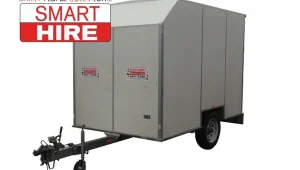
Enclosed or Van Trailers
Enclosed trailers protect your belongings from rain and dust and add a layer of security. They’re a smart choice for furniture, electronics and anything that needs protection from Melbourne’s unpredictable weather.
Check Your Vehicle Before You Tow
Before you pick up the trailer, make sure your vehicle is suitable. Check your owner’s manual or the vehicle’s compliance information for its maximum towing capacity and tow ball weight limit. The combined weight of the trailer and its load must never exceed these limits.
You’ll also need a properly fitted tow bar, the correct tow ball size for the trailer coupling and a working electrical connection for the trailer lights. Most hire companies can confirm compatibility when you book.
Loading the Trailer Correctly
How you load a trailer has a huge impact on how it handles on the road.
Get the Weight Distribution Right
As a general rule, place around 60 per cent of the load in front of the trailer’s axle and 40 per cent behind it. Heavy items such as fridges, washing machines and boxes of books should be positioned low and towards the front. This creates the right amount of downward weight on the tow ball, which helps the trailer track straight. Too much weight at the back can cause the trailer to sway dangerously.
Keep the Load Balanced Side to Side
Distribute weight evenly between the left and right sides of the trailer. An unbalanced load can affect braking and cornering.
Secure Everything Properly
Use ratchet straps or quality tie-downs rather than old rope or elastic straps. Every item should be secured so it can’t shift, slide or fall off during braking or turning. Cover the load with a tarp or cargo net if items could blow away. In Victoria, it’s an offence to drive with an unsecured load, and the Department of Transport and Planning provides guidance on load restraint and towing safety.
Driving With a Trailer
Towing changes the way your vehicle behaves, so allow time to adjust.
Increase Your Following Distance
A loaded trailer increases your stopping distance. Leave a much larger gap between you and the vehicle in front, and brake earlier than usual.
Take Corners Wide
Trailers cut corners more tightly than the towing vehicle. Swing wider when turning to avoid kerbs, signposts and parked cars.
Watch Your Speed
Drive at a steady, moderate speed, particularly on freeways and in windy conditions. If the trailer starts to sway, ease off the accelerator gradually rather than braking suddenly, and keep the steering wheel steady.
Practise Reversing
Reversing a trailer takes practice. Before moving day, spend a few minutes in an empty car park getting used to how the trailer responds. Remember, the trailer moves in the opposite direction to the way you turn the steering wheel.
Moving Day Tips
Start early to avoid peak traffic and give yourself plenty of time. Pack boxes to a manageable weight and label them by room so unloading is easier. Disassemble large furniture where possible to save space and reduce the risk of damage. If you need multiple trips, plan your route to avoid narrow streets, steep driveways and tight parking areas.
Returning the Trailer
Before returning the trailer, remove all rubbish and check for any damage. Return it on time to avoid extra charges, and let the hire company know if you noticed any issues during your hire.
How Big a Trailer Do You Need?
It’s tempting to hire the largest trailer available, but bigger isn’t always better. Larger trailers are heavier, harder to manoeuvre and more demanding on your vehicle. Estimate your load before booking by listing large furniture and appliances and counting boxes. For a small apartment, a standard box or caged trailer may be enough with a couple of trips. For larger homes, an enclosed or tandem trailer may be more efficient.
If you’re unsure, ask the hire company for advice. Experienced staff can usually recommend a suitable trailer based on the size of your home and the items you’re moving, saving you time and fuel on the day.
Final Thoughts
Hiring a trailer is a practical, affordable way to move house on your own terms. By choosing the right trailer, checking your vehicle’s limits, loading it correctly and driving with care, you’ll protect your belongings, your vehicle and other road users. With a little preparation, your DIY move can be just as smooth as hiring a removalist, and a lot easier on your wallet.