Planning a Farm Shed That Works Hard for Decades
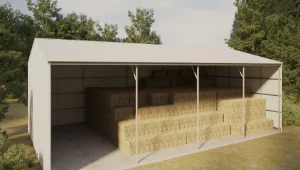
On any working property, a good shed is far more than a place to park the tractor. It protects valuable machinery from sun and rain, stores hay and feed, provides a workshop for repairs and can even double as a space for livestock handling. Because it’s such a long-term investment, it pays to plan carefully before you order. Well-designed farm sheds are built around how your property actually runs, the conditions they’ll face and the equipment you’ll be storing for years to come.
Here’s a practical guide to the key decisions that shape a farm shed you’ll be happy with long after it’s built.
Start With How You’ll Use It
Before looking at sizes and designs, list everything the shed needs to do. Will it house a header, a tractor with implements, a truck or a boat? Do you need a secure section for tools, chemicals or fuel? Is hay storage part of the plan? Will you be working inside it, needing power, lighting and a concrete floor?
Think about future needs as well. Machinery tends to get bigger over time, and farms often expand their operations. Designing for growth now is far cheaper than extending or replacing a shed that’s too small in five years.
Choosing the Right Size and Layout
Size is about more than floor area. The height of the shed and its openings matters just as much.
Clearance Heights
Measure your tallest machinery, including exhaust stacks, cabs, raised augers and loaded trucks, and allow generous clearance. The eave height and door openings need to accommodate equipment comfortably, not just squeeze it through.
Bay Spacing and Open Sides
Many farm sheds use open bays for easy access, with one or more enclosed bays for secure storage. Bay widths should suit your machinery, and open-sided designs are ideal for hay and equipment that needs to be moved in and out frequently.
Door Options
Roller doors are simple and affordable, while sliding doors and larger industrial doors suit wide machinery. Position openings to suit the direction of prevailing winds and the way vehicles move around your property.
Picking the Best Location
Where you put your shed affects how convenient, durable and safe it will be.
Choose a site with good drainage and firm ground, avoiding low-lying areas that may flood or collect water. Consider access from main tracks and roads, especially for trucks delivering feed or collecting produce. Think about proximity to the house, power supply and water. For hay storage, keep the shed a safe distance from other buildings to reduce fire risk, as hay can spontaneously combust if stored with too much moisture. Agriculture Victoria has helpful information on safe hay storage and fire prevention.
Designing to Your Specifications.
A farm shed should be constructed to withstand the environment in your particular site and this is where good engineering is needed.
Wind Ratings
The national loading standard divides Australia into wind regions and sheds should be designed to fit the region, terrain and exposure of the site. A shed on an open hill-top is subjected to quite different forces to one in a lee valley. Request your supplier to verify the wind classification that you are designing and ensure that the engineering is certified.
Importance Levels
The level of importance is also given to buildings depending on the use and the impact of failure. The majority of farm sheds are in the lower category, although in case the shed will be occupied by people on a regular basis or with some purpose, a higher level can be used.
Footings and Slabs
Footings should be appropriate to your soil type and this may need a soil test. When you intend to work in the shed or park cars, a concrete slab will give you a durable and easy to clean surface. Compacted gravel is sometimes used instead of hay sheds and open machinery bays.
Approvals and Permits
Most individuals believe that rural sheds do not require approval, but this is not always true. You might require a planning permit, a building permit or both depending on your state, council area, zoning and shed size. The requirements differ significantly, and therefore, consult your local council or a building surveyor at the initial planning phase. The required documentation can be prepared with the help of reputable shed suppliers.
Additional Features to be considered.
Small additions can make a big difference to how useful your shed is. Skylights or translucent roof sheets bring in natural light. Whirlybirds or ridge vents enhance air circulation and minimize condensation. Insulation assists in controlling temperature within a workshop. Water can be provided to stock, cleaning or firefighting by rainwater tanks attached to the gutters.
Machinery and Stored Goods.
The design of a shed also influences the level of protection it offers to the interior. Enclosed sheds are fully enclosed to exclude dust, birds and vermin, which is significant to costly machinery and stored grain or fertiliser. Mesh or sealed gaps can be used as bird proofing to avoid expensive damage and hygiene problems. The storage of chemicals and fuel must be as per the safety requirements, which typically involves a separate, ventilated and secure place.
It is also much easier to compare quotes of various suppliers on a like-for-like basis with a clear brief.
Final Thoughts
A farm shed is a long term investment that ought to benefit your property over decades. Planning how you will use it, selecting the correct size and location, engineering it correctly and ensuring approvals are in place early will result in a long lasting, practical building that will make everyday farm work easier. It will be worth it to take the time to get the details right now and every season will be worth it.