The Rise of Botanical Flavors: Lavender, Hibiscus and Beyond
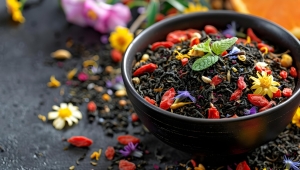
Botanical flavors such as lavender, hibiscus, elderflower, and rose moved from specialist tea shops to mainstream menus over the past two decades. They taste of flowers because they share aroma compounds with perfume, which is also why they divide people so sharply. Used in small amounts with the right partners, they add lift without tasting of soap.
Where Did Botanical Flavors Come From?
Flowers have been in food and drink for centuries, mostly in regional traditions that never crossed borders. Rose water flavors Turkish delight, Persian sweets and Indian gulab jamun. Hibiscus calyces are steeped into agua de jamaica in Mexico, karkadé in Egypt, bissap across West Africa and sorrel in the Caribbean. English and Scandinavian households have made elderflower cordial from hedgerow blossom for generations, and lavender has long appeared in Provençal cooking.
What changed in the 2000s was scale. St-Germain, an elderflower liqueur, launched in 2007 and quickly became a fixture in cocktail bars. The Hugo spritz, built on elderflower syrup, prosecco, and mint, spread out of South Tyrol around the same time. In May 2018, Prince Harry and Meghan Markle chose a lemon and elderflower wedding cake from London baker Claire Ptak, and in spring 2024 Starbucks put lavender drinks on its US menu.
Flavor categories far from the kitchen followed the same curve. Sparkling water brands, kombucha makers, confectioners and the producers behind lists of different vape juice flavors all added floral and herbal notes beside the fruit and dessert profiles that used to fill their ranges. The pattern is consistent: a flavor builds credibility in high-end food and drink first, then moves into packaged goods once enough people recognize it.
What Do Lavender, Hibiscus and Elderflower Actually Taste Like?
Each of these botanicals gets lumped under “floral,” but they share less than the label suggests. One is mostly aroma, one is mostly acid, and one sits between fruit and flower.
Lavender
Culinary lavender comes mainly from Lavandula angustifolia, often sold as English lavender. Its scent is dominated by linalool and linalyl acetate, which give a sweet, slightly woody floral note with a hint of citrus. Other lavender species, including the lavandin grown widely for oil, carry more camphor, which reads as medicinal in food. That difference explains why some lavender desserts taste delicate, and others taste like a bar of soap.
Hibiscus
Hibiscus is closer to a sour fruit than a flower. The dried calyces of Hibiscus sabdariffa are rich in organic acids, which give a tart, cranberry-like bite, and in anthocyanins, the pigments behind its deep red color. The aroma is faint. Most of what people taste is sourness with a light berry edge, which is why hibiscus drinks are almost always sweetened.
Elderflower
Elderflower, from the blossom of Sambucus nigra, tastes the most like fruit of the three. People describe it as lychee, pear, muscat grape, and honey with a fresh green edge. It is gentle enough that it rarely overwhelms a drink, which helps explain why it reached the mainstream first.
Why Do Floral Flavors Divide People?
Floral flavors produce stronger reactions than almost any other family. A good share of people love them, and a good share say they taste like perfume, shampoo, or soap.
The reason is mostly exposure. Linalool, the compound that gives lavender much of its scent, is also one of the most widely used fragrance ingredients in soaps, shampoos, detergents and cosmetics. Rose and orange blossom compounds turn up in the same products. For many people, the first and most frequent encounter with these smells happens in the bathroom rather than at the table, and the brain files them there.
Dose makes the rest of the difference. Floral aromas are potent, so the gap between pleasant and overwhelming is narrow. A few drops of rose water lift a syrup, while a teaspoon turns it into something closer to hand cream. Cooks who work with flowers often say the right amount is just below the point where you can name the flower.
Culture shifts the line as well. Rose is an everyday dessert flavor across the Middle East and South Asia, and hibiscus is a common drink across much of Africa and Latin America. Buyers who grew up with those flavors rarely describe them as perfume, which suggests the soap reaction is learned rather than built in.
Which Botanical Flavors Pair Well, and Which Clash?
Botanicals rarely work alone. They do their best work as an accent on a familiar base, and the partner matters as much as the flower. The table below sets out pairings that cooks, bartenders and flavor developers return to, along with the combinations that usually go wrong.
| Botanical | Pairs well with | Clashes with |
| Lavender | Lemon, honey, blueberry, vanilla, black tea | Other strong florals, heavy savory spice |
| Hibiscus | Ginger, cinnamon, lime, strawberry, mango | Milk and cream, which the acid can curdle |
| Elderflower | Lemon, pear, gooseberry, cucumber, sparkling wine | Dark roast coffee, bitter chocolate |
| Rose | Pistachio, cardamom, raspberry, lychee | Smoky flavors and heavy roast notes |
Most of the successful combinations in that table pair a flower with something sour or fresh, which keeps the floral note from turning heavy. Lavender with lemon and hibiscus with lime are the two pairings most likely to win over people who think they dislike floral flavors.