6 Road Rage Behaviors That Can Leave Drivers Legally Responsible
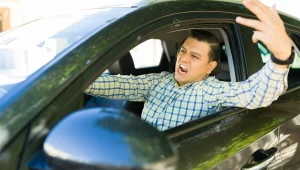
A calm drive can change quickly when frustration takes control behind the wheel. Aggressive reactions, careless decisions, and hostile behavior on the road can put everyone nearby at risk. Many drivers do not realize that small acts of anger may create serious legal consequences after a crash. The different types of road rage often involve behaviors that go beyond simple irritation and may lead to injuries, property damage, or disputes over responsibility.
Being aware of these patterns can prevent people from making dangerous decisions and help them and others to avoid preventable accidents. Those who are aware of warning signs early will likely prevent conflicts and situations that could be legal issues. Safer decisions save lives and minimize the risk of needless anger getting in the way of safe driving.
What is causing the roots of road rage?What’s the problem with road rage?
Road rage is defined as any behavior that demonstrates aggression, threats or unsafe driving decisions. When a driver’s judgment is clouded by anger, he or she could end up putting someone else in harm’s way.
Police reports, witness statements, traffic camera footage and medical records can help determine if aggressive behavior played a role in a collision.
The 6 Behaviors that could lead to liability.
Different aggressive actions can create different risks.
1. Aggressive Tailgating
Following another vehicle too closely is a frequent form of dangerous driving linked to frustration. A driver may use this behavior to pressure someone to move faster or leave a lane.
Tailgating reduces reaction time and increases the chance of a collision if traffic suddenly slows. If a crash occurs, the following driver may face questions about whether unsafe distance played a role in causing the accident.
2. Reckless Lane Changes
Sudden lane changes without proper attention can put nearby drivers in danger.
Unsafe merging, cutting off vehicles, or ignoring traffic rules may create evidence of careless behavior. These actions can support a claim that the driver failed to operate the vehicle responsibly.
3. Speeding Due to Anger
Speeding is another behavior that can become connected to aggressive driving. A frustrated driver may increase speed to escape traffic, catch another vehicle, or express anger.
Higher speeds reduce a driver’s ability to respond safely. They can increase the seriousness of injuries after a crash. Evidence showing excessive speed may affect how fault is determined during an insurance or legal review.
4. Intimidating Other Drivers
Others try to intimidate others on the road by using their car or actions. That can involve a strong gesture or horn honking repeatedly or turning closer and closer to another car.
This behavior may foster anxiety and distraction. When intimidation may be a factor in an accident, the driver who caused the accident could be liable for the damages.
5. Blocking/Preventing Movement
It is dangerous to obstruct another vehicle. This can occur in disagreements between motorists or following disagreements on the road.
Stopping abruptly, blocking the way of other drivers, or unnecessarily blocking the way can lead to an accident.
Chasing or confrontational driving.
Anger can lead to following too closely, which can become a significant safety issue. If a person keeps going an aggressive interaction, they may be making decisions that make the risk of a crash greater.
Road rage behaviors can come in various forms and each incident must be looked at on a case-by-case basis. An understanding of the actions involved will help decide if a driver’s behavior moved into the illegal zone or remained in the area of frustration.
The purpose of evidence in establishing responsibility.The function of evidence in establishing responsibility.
Insurers and lawyers may consult multiple sources of information to determine what occurred.
- Dashcam or surveillance video showing driving behavior
- Statements from people who witnessed the incident
- Police reports describing unsafe actions
- Vehicle damage patterns and accident details
- Medical records connected to injuries
Strong evidence can help show whether aggressive conduct directly contributed to the accident. It may help injured individuals explain the impact of the crash and support their request for compensation.
Preventing Road Rage From Escalating
Drivers can reduce risks by managing frustration before it affects their actions.
Helpful steps include:
- Avoiding arguments with other drivers
- Keeping a safe distance from aggressive vehicles
- Allowing extra travel time to reduce stress
- Staying focused instead of reacting emotionally
- Reporting dangerous behavior when necessary
After an aggressive driving incident, safeguarding your rights is essential.After suffering from an aggressive driving incident, it is crucial to protect your rights.
Those injured in an accident caused by aggressive driving could be dealing with insurance problems, vehicle repairs and medical expenses. It is important to understand the cause of the accident before accepting blame for it, or making decisions about a claim.
Upon careful examination, one can determine whether another party to the accident played a role in the injuries. Legal counsel can assist victims by organizing the evidence, communicating with insurance companies, and identifying potential avenues for recovery.
When it comes to a road rage accident, take action.
Road rage can escalate and turn a trip into a very serious situation. There could be safety, insurance, and legal implications when making aggressive driving decisions. Knowing what kind of road rage is common can help drivers avoid making wrong decisions and can help them identify when they are in a dangerous situation.
A careful examination of the facts of the accident with an experienced legal specialist will safeguard your rights if the driver was at fault for causing damage. Having the proper guidance on the beginning can make it easier to know what options you have, and to seek fair compensation when the other party’s actions have caused injury.