How a Cannabis Tolerance Break Works, and How Long it Takes
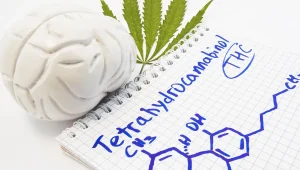
The daily cannabis consumer is soon to realize the same thing. The eighth which was used to last two weeks, has now five days left, and the tension which previously was considered significant can hardly be experienced. Nothing about the flower was any different. The transformation took place in the brain.
The simplest fix is a tolerance break otherwise known as T-break. It is free and the research that underlies it is more promising than most of the people consider.
The question is, what is tolerance?
These receptors of CB1, which are spread all over the brain and nervous system, enable THC to act. Consistent excessive use through heavy usage saturates them and the brain reacts by decommissioning some of them. The lack of receptors implies that the same dose will have a lesser effect.
Format crosses bring with it tolerance. Replacing flower with a vape or edible will not evade it, as all forms of THC bind to the same receptors. Grasping more powerful products is likely to move the cycle to a more distant location.
Brain imaging can create a measurable loss of receptors. A study by National Institutes of Health (Published in Molecular Psychiatry, 2012), involved scanning 30 daily cannabis smokers and the CB1 receptor levels were found to be lower than in non-users. The positive news was given in the second portion of the research. In approximately four weeks without cannabis, the levels of receptors were back up to normal.
It has got a money aspect as well. An extremely heavy high tolerance user may end up spending many times as much per month as another who achieves the same effect with less dose.
The speed of re-setting of the brain.
A more limited study, permanently headed by Deepak Cyril D’Souza at Yale University, followed up on the recovery more closely. Its 11 cannabis-dependent patients began with about 15 percent fewer available CB1 receptors as compared with a control group. The gap started narrowing in two days of abstinence and after 28 days their levels were no longer significantly different to non-users.
They are small both studies, and individual results vary. Nevertheless, they mention a realistic schedule:
| Break length | What to expect | Good fit for |
| 2–3 days | Noticeable reset begins | Occasional users |
| 1 week | Clearer effect from smaller doses | Regular weekend users |
| 2 weeks | Most withdrawal symptoms fade | Daily users |
| 3–4 weeks | Receptors close to baseline | Heavy, long-term users |
A short break is better than none. If a month feels impossible, start with a long weekend and see how the next session feels.
What the first week feels like
Regular users who stop often notice a few changes in the first days. Common ones include:
- Trouble falling asleep, especially for people who used cannabis at night
- Unusually vivid dreams once sleep returns
- Irritability or restlessness
- A smaller appetite than usual
The symptoms are likely to peak during the initial few days and subside in the next week or two. They are not dangerous, they are incommodious. Whether it is more difficult to stop than that, or continues to fail then it is worth a discussion with a doctor. The 24/7 free and confidential helpline of SAMHSA at 1-800-662-4357 can also refer you to assistance.
Break stick Making the break stick
The cause of the majority of failed T-breaks is a failure at the same time: the same time of the day, the same couch, the same friends. Preparation of those times is more effective than determination.
A few steps make the break easier:
- Pick an end date before you start, so the break has a finish line.
- Move your stash and accessories out of sight, or give them to someone to hold.
- Replace the evening habit with something physical, like a walk or the gym.
- Cut caffeine late in the day to help sleep come back faster.
- Drink more water and eat regular meals, even if your appetite dips.
Some people taper instead of stopping cold, cutting their dose in half for a week before a full break. That can soften the first few days, though it stretches the overall timeline.
Coming back after a break
The greatest error that is made once a T-break has been made is returning to the old dose. During that time, tolerance progresses at a faster rate in comparison to habits, thus what was considered mild last month may seem to be much more than desired now. Use a portion of your previous point, and law of effect will tell you where you have come to.
The end of a break is also a good time to rethink what you buy. Lower-THC flower, balanced THC and CBD products, and low-dose edibles help keep tolerance from climbing back as quickly. Shoppers in Pontiac, Auburn Hills, Waterford, and Lake Orion can talk that through with a budtender at a dispensary in Pontiac on Walton Boulevard, open daily from 9 a.m. to 10 p.m. Asking for something milder than before is a request budtenders get all the time.
Tolerance isn’t permanent. A couple of weeks off allows the brain some time to repair what was knocked out in the course of heavy use and the initial session after that is a reminder of the value of the break. Most frequent users take a couple of day leaves in each month due to that.
Store address in Pontiac
Quality Roots Dispensary – Pontiac
41 Walton Blvd., Pontiac, MI 48340
(248) 920-8610


