How Aged Care and Hospital Kitchens Serve Safe, Quality Meals at Scale
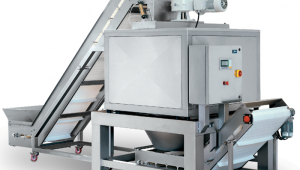
Feeding hundreds of residents or patients every day is a huge undertaking. Aged care homes, hospitals, schools and large catering operations must deliver meals that are safe, nutritious and enjoyable, often on tight budgets and with limited staff. Many of these kitchens rely on a carefully managed cook chill system to meet these challenges, separating food production from meal service so that quality and safety can be controlled at every step.
This article explains how cook chill works, its benefits and the key food safety principles that underpin it.
What is Cook Chill?
Cook chill is a food production method where meals are cooked in advance, rapidly chilled to a safe temperature, stored under refrigeration and then reheated, or regenerated, shortly before serving. Instead of cooking every meal from scratch at each service, kitchens can prepare large batches ahead of time and serve them when needed.
The method is widely used in healthcare, aged care, education, airlines and corporate catering, where consistent quality and efficient workflows are essential.
The Four Key Stages
A cook chill process typically involves four main stages, each with specific controls to keep food safe.
Cooking
Food is cooked thoroughly to destroy harmful bacteria. Recipes are standardised so that portion sizes, nutritional content and flavour remain consistent from batch to batch.
Rapid Chilling
Once cooked, food must be cooled quickly to minimise the time it spends in the temperature danger zone, where bacteria can multiply rapidly. Under Australian food safety requirements, cooked potentially hazardous food should be cooled from 60°C to 21°C within two hours, and from 21°C to 5°C within a further four hours. Many cook chill kitchens use blast chillers to achieve this much faster. Food Standards Australia New Zealand provides detailed guidance on safe cooling and reheating.
Chilled Storage
Chilled meals are stored at 5°C or below until needed. Clear labelling with production dates and use-by information, along with careful stock rotation, ensures food is used within safe timeframes.
Regeneration
Before serving, meals are reheated, a process known as regeneration or rethermalisation. Food should be reheated rapidly and then held hot at 60°C or above until served. Specialised regeneration equipment, such as regeneration trolleys and ovens, can reheat plated meals or bulk trays evenly and efficiently, often close to where they’ll be served.
The Benefits of Cook Chill
Cook chill offers a range of advantages for large-scale food service operations.
Improved Food Safety
Because each stage is controlled and monitored, cook chill supports robust food safety systems. Temperatures can be recorded and checked at critical points, helping kitchens meet their regulatory obligations and protect vulnerable people, such as the elderly and those who are unwell.
Consistent Quality
Standardised recipes and controlled processes mean residents and patients receive meals of consistent quality, taste and nutritional value. This is especially important in aged care, where nutrition plays a key role in health and wellbeing.
Efficient Labour Use
Separating production from service allows kitchens to schedule cooking during regular hours, rather than having staff rush to prepare every meal at peak times. This can reduce overtime, improve working conditions and make it easier to manage staff shortages.
Reduced Food Waste
Cooking in planned batches and regenerating only what’s needed can help reduce food waste. Kitchens can respond to changing numbers more easily, such as fluctuating patient admissions or resident menu choices.
Greater Menu Flexibility
Cook chill allows kitchens to offer a wider range of menu options, including texture-modified meals and special diets, as dishes can be prepared in advance and served as needed.
Choosing the Right Equipment
The success of a cook chill system depends heavily on the right equipment. Key items include combi ovens or kettles for bulk cooking, blast chillers for rapid cooling, cool rooms for chilled storage and regeneration equipment for reheating and serving. When selecting equipment, consider capacity, energy efficiency, ease of cleaning, temperature monitoring capabilities and how well it fits your kitchen’s layout and workflow.
For facilities serving meals across multiple wards or wings, regeneration trolleys that can reheat meals close to the point of service help maintain food quality and presentation while reducing the time between reheating and eating.
Managing Food Safety in Practice
A cook chill system must be supported by a documented food safety program, staff training and regular monitoring. Temperature logs, equipment calibration and cleaning schedules should be maintained and reviewed. Staff need to understand why each step matters and what to do if temperatures fall outside safe limits.
Supporting Special Diets and Texture-Modified Meals
Aged care and healthcare kitchens often need to cater for a wide range of dietary requirements, including allergies, cultural preferences, diabetic diets and texture-modified meals for people with swallowing difficulties. Cook chill makes it easier to prepare these meals carefully in advance, with clear labelling and portion control, so each person receives the right meal at the right time. This structured approach reduces the risk of errors and supports better nutrition for residents and patients.
Final Thoughts
Cook chill has become a cornerstone of modern food service in aged care, hospitals and large catering operations. By carefully controlling cooking, chilling, storage and regeneration, kitchens can serve safe, high-quality meals efficiently and consistently. With the right equipment, procedures and training in place, cook chill helps facilities focus on what matters most: delivering great food to the people who rely on it every day.