How Designer Radiators Became a Feature Rather Than a Fixture
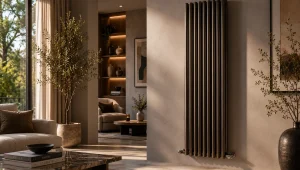
Once upon a time, radiators were purely functional objects, often hidden behind ornate grilles or tucked under window ledges. However, the evolution of designer radiators has transformed these simple home heating devices into aesthetic focal points. The shift in the radiator industry epitomises a wider trend in home design, where functionality meets form, blending to create pieces that are both practical and visually appealing.
The Historical Functionality of Radiators
In order to comprehend how radiators have been transformed into a design element, we must delve into their history. Radiators were initially popularized during the middle of the 19th century, as central heating began to become common. The most important during this time was efficiency–how well could one unit warm a room? The design was placed second and therefore, the units were large and not very appealing. These unattractive structures were needed and designed by people in the way they wanted their homes to be.
Transition to Design-Led Thinking
The first change was to emerge in interior design at the beginning of the 21 st century. It grew more and more popular to make homes unique and stylistic, so manufacturers started to re-evaluate the design of ordinary objects. The radiator, long relegated to the background, was now put into the limelight. Designers started experimenting with materials, forms and finishes which had never been thought of in heating elements.
Materials and Aesthetic Appeal
The modern designer radiators are available in a variety of materials that add to the aesthetic value of the radiators. Radiator design has introduced stainless steel, cast iron, and even glass in contravention of the conventional norms. These materials not only add a contemporary look but also offer functional benefits such as enhanced heat retention or quicker heat-up times. Radiators have been taken out of the window to stand by their own in a room by smooth, contemporary designs.
Integration with Modern Technology
Their establishment as a focal point of home interiors has been further strengthened by the marriage of technology to radiator design. Smart radiators are remotely controllable by apps, can be connected to home automation systems, and can even learn the daily heating patterns to become more energy-efficient. There are some luxury models that have digital screens and a touch-screen that perfectly fit in the homes of techno savvy houses without compromising on the design or the functionality of the device.
Personalisation and Customisation
The customisation possibility has also contributed largely to this change. Clients have also had the option of various colours, finishes and sizes that allow their radiators to be part of their individual style. Radiator now can be an eye-catching furnishing with the ability to match or contrast with the wall colours, furniture, and other decoratives in place. This customisation enables homeowners to express either minor or extremist choice, continuing to integrate radiators into the field of design features, instead of being a mere fitting.
The development of radiators as useful heating equipment to central elements of design reflects the larger change in thinking about interior design. With the increasing personalisation of homes and the continuous development of smart technology, the designer radiator will probably become an increasingly prominent role. This turn to aesthetic functionality is not merely a trend but it is more of an indication of the way in which we have come to perceive and deal with the spaces in which we live.