The DM Is the New Storefront: How Brands Sell Through Chat
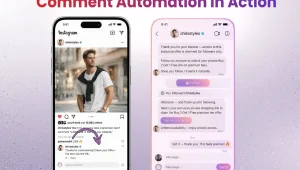
A customer taps an ad, and instead of landing on a product page, a chat window opens. A short question. A quick reply. A price, a size, a link to pay.
The whole exchange takes ninety seconds and feels less like shopping than texting a friend who happens to sell shoes.
That small moment is where a lot of brand marketing is quietly heading. The inbox, once a place brands crashed into with promo blasts and unsubscribe links, is turning into something closer to a storefront. And the brands doing it well have stopped trying to sound like brands at all.
The Inbox Became the Aisle
Messaging has quietly overtaken most of the channels marketers used to plan around. People chat with businesses the same way they chat with everyone else, and they expect the reply to feel the same too. A global report commissioned by WhatsApp found that roughly three in four consumers now prefer messaging when they need to communicate with a business, and a similar share want those conversations to feel like the ones they have with friends and family.
That is a bigger shift than it sounds. It reframes the DM from a support ticket into a sales floor. It also reframes the brand voice from a broadcast to a two-sided conversation, which is a very different muscle. Agencies that have spent years tuning funnels and landing pages, including teams like Digital.Marketing, are increasingly being asked to help brands build the softer, more human side of that exchange instead of another campaign push.
Why the Old Brand Voice Falls Flat Here
The DM punishes marketing language in a way the feed does not. A subject line can get away with hype. A first message from a stranger cannot. When a brand opens with the same phrasing it uses on a billboard, the reader feels sold to, and the thread ends before it starts.
Part of the problem is inherited habit. Email trained a generation of marketers to write in headlines and CTAs. Chat rewards the opposite: short sentences, plain words, one question at a time, and the patience to let the other person answer before pushing to the next step.
A message that reads like a coworker gets a reply. A message that reads like a banner ad gets muted.
What Talking Like a Person Actually Looks Like
The brands winning in the inbox tend to share a handful of habits. None of them are complicated. All of them are easy to skip when a quarterly target is looming.
- Answer fast, or say when you can. Speed is the price of entry. If a real reply is hours away, a short acknowledgment beats silence every time.
- Write the way you speak. Contractions, lowercase, the occasional one-word reply. Formal grammar in a chat window reads as a script, and a script reads as a bot.
- Ask before you pitch. A single clarifying question outperforms a paragraph of features. It also gives the next reply something specific to hook into.
- Keep receipts in the thread. Order confirmations, shipping updates, and follow-up questions belong in the same conversation, not scattered across email and SMS.
- Let humans take the wheel when it matters. Automation handles the opening and the routine. A real person should be one message away when the question gets specific.
The Numbers Behind the Shift
There is money moving with the behavior. Meta reported that its click-to-WhatsApp ads grew revenue 60 percent year over year in the third quarter of 2025, a rare double-digit line item in a maturing ad business. The format is simple: tap the ad, land in a chat, keep talking. It works because it removes the awkward handoff between marketing and sales, which is where a lot of interest used to leak away.
The broader pattern is the same across platforms. Instagram DMs, WhatsApp threads, website chat widgets, SMS follow-ups. All of them are trending in the same direction, which is toward conversation as the default interface for buying something small or asking about something bigger.
What Brands Should Do This Quarter
The practical move is smaller than it sounds. Pick the channel where the most inbound already lands. Write a short style guide that reads like a person wrote it, not a compliance officer.
Staff it, or automate the opening and staff the middle. Measure replies and resolved conversations, not opens.
The storefront metaphor is a useful one to end on. A good store greets you, answers the question you actually asked, and lets you leave without a fight. The inbox can do all three, if the brand behind it remembers there is a person on the other end who can tell the difference.