What Does an Underride Accident Attorney Investigate?
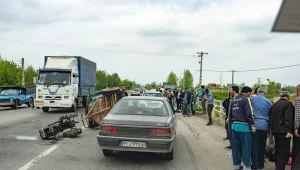
A truck crash does not always tell the full story from the damage alone. An underride collision can raise questions about the truck, its safety equipment, the driver, the road, and the events that led to the impact. A smaller vehicle may slide under a truck during a rear or side collision, making the details of the crash especially important to examine.
Finding those details takes more than looking at the damaged vehicles. An underride accident attorney may review records, physical evidence, vehicle data, and witness accounts to piece together what happened.
So, what exactly gets investigated after an underride crash? Let’s look closer.
1. How the Underride Crash Happened
The first part of an investigation is figuring out how the collision happened. The position of both vehicles, their direction of travel, road conditions, and the point of impact can provide useful information.
An attorney may review photographs from the scene, videos, police reports, and witness accounts to create a timeline. They may also look at whether the truck was moving, slowing down, stopping, turning, or changing lanes before the crash.
These details can help show how the vehicles came into contact and what happened just before the impact. A single photograph may not answer every question, so different sources of evidence may need to be compared.
2. The Truck’s Rear or Side Protection
The truck’s safety equipment can become an important part of the investigation. Depending on the type of truck and collision, an attorney may examine an underride guard or other protective equipment fitted to the vehicle.
The condition of the guard after the crash can provide information about the impact. Investigators may also look at how the equipment was attached and maintained.
Records related to inspections or repairs may add more information. The goal is to examine the equipment as part of the full accident picture rather than judging its role from damage alone.
3. What the Driver Did Before the Crash
The driver’s actions may also need close review. An attorney may examine speed, braking, lane changes, turns, following distance, and other actions before the collision.
Driver logs and available vehicle data can sometimes provide useful details about the trip. Statements from the driver and witnesses may also be compared with physical evidence from the scene.
For example, a question about braking may involve more than a driver’s statement. Investigators may look at vehicle damage, road marks, available data, and other evidence to understand what happened before impact.
4. Truck Maintenance and Inspection Records
A truck’s condition can raise another set of questions. An investigation may include maintenance and inspection records to understand how the vehicle was being checked and repaired.
Items such as brakes, tires, lights, reflective markings, and safety equipment may receive attention if they are connected to the crash. Repair records can also show work that was completed before the accident.
These records may be compared with photographs, inspection findings, and damage to the truck. Looking at documents alongside physical evidence can provide a more complete view of the vehicle’s condition.
5. The Company, Cargo, and Other Parties
An underride crash may involve more than the driver and the vehicle. The company operating the truck may have records related to hiring, training, supervision, maintenance, or scheduling.
Cargo can also matter if loading or securing it affected the vehicle’s operation. An investigation may therefore look at who handled the cargo and what role that person or business had.
Other parties may also be connected to the truck, its equipment, maintenance, or transportation work. An attorney may review these relationships to understand who handled each part of the operation.
6. Evidence That Can Help Explain the Crash
A large investigation can involve several types of evidence. Each source may answer a different question about the collision.
-
Police and accident reports
-
Photos and videos from the scene
-
Witness statements
-
Vehicle inspection records
-
Electronic vehicle data
-
Driver logs
-
Maintenance records
-
Truck and underride guard damage
-
Surveillance or dashcam footage
The evidence may not all tell the same story at first. Comparing these sources can help identify details that match, conflict, or need further review.
Bringing the Investigation Together
An underride accident attorney may need to connect many small details before the facts of a crash become clear. The truck’s condition, driver actions, company records, cargo, road conditions, and physical evidence can all form part of the investigation.
The purpose is to build a factual timeline and examine the role of each relevant person, company, vehicle, or piece of equipment. No single record or photograph can always answer every question.
A careful review can show which facts are already supported by evidence and which areas may need more investigation. That approach keeps the focus on what the available evidence actually shows.