When You’re Not Driving Your Own Car, Who Owns the Crash Data?
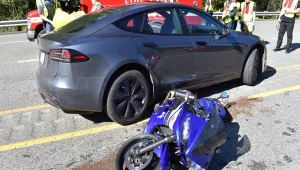
Federal rules already require the event data recorder in a light vehicle to capture roughly 15 data elements in the seconds around a crash — speed, throttle, brake, seatbelt status, delta-V — and to be readable by commercially available tools. The car you rented for a weekend is running that same box, plus a second layer of tracking the rental company installed for its own reasons.
That second layer is where fault gets rewritten. When the vehicle isn’t yours, the data isn’t either. By the time your insurer starts asking questions, the rental company already knows more about the crash than you do. The scenarios below show how that plays out.
The Weekend Rental Runs a Fleet Telematics Unit
Almost every major rental fleet now runs some form of connected-vehicle platform on top of the factory electronics. The unit streams GPS, ignition cycles, hard-braking events, and speed bands back to the operator in near real time. When there’s a collision, the operator often has a timestamped movement profile of the car before the responding officer finishes the diagram.
That record can help you or bury you. If the other driver claims you were doing 65 in a 40, and the fleet log shows a steady 42 for the mile before impact, you have an objective answer. If you were the one speeding, the same log says so.
Renters rarely think to ask whether the vehicle transmits driving data, and the disclosures buried in the rental contract usually do not make it obvious that a third party is recording the trip in detail. Talking with an injury attorney early — before you give a recorded statement to anyone — matters more here than in a crash involving a car you own. You don’t control the evidence.
The Rideshare Car You Were Riding In
Passengers in a rideshare vehicle sit on top of three overlapping data sources: the car’s factory EDR, any aftermarket telematics the driver installed for a usage-based insurance discount, and the rideshare platform’s own trip record. The platform record is the one most people underestimate. It logs the route, the pickup and drop-off pins, and — depending on the app — accelerometer and phone-based speed data throughout the ride.
When fault is contested, that trip record often arrives faster than the police report. It can confirm the passenger was in the vehicle, place the car at the intersection to the second, and contradict a driver who claims the trip ended before the collision. It can also complicate an injury claim if the passenger’s own phone shows they were on a call when they say they braced against the dashboard.
The Company Car Is Owned by Someone Else’s Data Team
A commercial fleet vehicle is among the most heavily instrumented cars on the road. The employer typically owns the telematics data outright, has a contractual right to pull it, and — in a serious crash — has a legal duty to preserve it. Whether the employee driver or a third party ever sees that data depends on how quickly the right preservation letters go out.
Two things go wrong here. The employer sometimes treats the record as internal, shares only summaries with its insurer, and lets the underlying trip files roll off the vendor’s retention window. Or the vendor contract puts data ownership in an ambiguous place, and the fleet has to negotiate for its own records. Either way, the person injured in the other vehicle sits downstream of a data pipeline they have no visibility into.
The Peer-to-Peer Rental From a Stranger’s Driveway
The telematics has been pushed to the individuals by peer-to-peer platforms. Each time it rents, the owner installs a small device that may be mandatory imposed by the platform itself or purchased due to insurance reasons and transmits location, speed, and hard events. In case of a crash, the data must flow to its owner and the platform prior to any other flow.
That puts a weird dynamic. The individual that is in charge of the car has the minimum access to the history of the driving process. Telematics logs have been used by owners to invoice renters on speeding fines, use of a restricted area and in severe road accidents, owners have used the logs to state that the renter violated their terms of the rental contract in a manner that cancels coverage. By renting a device via a peer-to-peer service, you should take pictures of the device and request in writing what the device measures.
The Driven-Car You Test-Drove or Borrowed.
Most of the connected cars being sold today come with data pipeline connected back to the automaker and active during standard use, and the FTC has cautioned automakers that the scope of data collected by such an information pipeline is far broader than many drivers imagine. Its 2024 connected car guidance identified biometric, telematic, and geolocation data as some of the types of data to be concerned with and warned companies that sensitive data should not be used with no limits. When you borrow a friend to use his new SUV or when you use a dealership loaner you will find that that pipeline does not cut off since the seat has a different name to it.
The practical impact following the crash: the automaker can have a richer record compared to the owner of the car and accessing it typically requires a subpoena to do so. The fault debate is becoming more and more focused on which side of the case acts the first in order to retain it.
What to Do Before You Hand Back the Keys
The car remembers more than you do. In a rental, it remembers for someone else. After a crash, document the vehicle and any visible telematics equipment, save the rental agreement or trip record, and don’t assume the data will still be available weeks later. If fault or injuries are disputed, finding out who controls that record — and asking that it be preserved — should happen early.
You may not own the car, but the data it collected while you were driving could become some of the most important evidence in the claim.
The question is whether it’s still there when you need it.