A New Look for Outdoor Living: How Wood Slat Wall Panels Transform Exterior Spaces
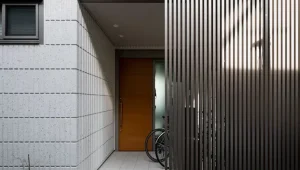
The outside of a house matters a lot as regards the appearance of the house. Outdoor walls will also determine the style, personality, and ambiance of a house depending on what is used at the front entrance of the building, all the way to the backyard patio. Although classic siding and painted surfaces are still used, another option is to use wood slat wall panels in order to achieve a more unique finish. They can be used to render even their flat walls more welcoming and thoughtfully crafted with their clean lines and natural wood-like textures.
Modern exterior cladding also needs to do more than look attractive. Outdoor materials must handle rain, sunlight, humidity, and changing temperatures. This is why homeowners are paying closer attention to products that combine visual appeal with practical performance. Options from woodywalls.com/exterior-wall-panels/ provide different finishes and materials for updating outdoor spaces while creating a consistent design throughout the property.
Why Wood Slat Cladding is trending as an outdoor space?
Wood slat panels have a simple design that can make a strong visual impact. Their repetition forms texture and depth on the exterior walls that are flat and appear in a more detailed form. The panels can also affect the way a space feels depending on the positioning of the panels. A horizontal slat can be used to make a wall to be wider whereas a vertical one would attract attention to the ceiling and also indicate the height of a structure.
This style is compatible with various forms of architecture. Dark panels could be implemented in homes in the modern times so as to provide contrast to lighter walls and tones of wood in nature are capable of giving the appearance of concrete, stone or metal surfaces soft. Smaller parts may also be covered with slat cladding instead of a total cover of an exterior. The walls and/or the wall near the entrance, e.g., may be a simple point of focus, without modifying the entire facade.
Knowledge of Materials Used in Exterior Wall Panels.
The contents behind a panel on the exterior are as good as their look. One of the options proposed as an outdoor application is a variant, up to which wood-plastic composite can be called WPC. It uses polymer mixed with wood fibers to make a substance that gives a look of wood but has resistance against moisture and other goods with regard to day to day weather conditions.
WPC panels have a variety of colors and textures, which allows homeowners to get the look of timber without necessarily select traditional timber. Certain products also incorporate protective surface layers which are extended to resist water, stains, scrapes and exposure to ultraviolet sunlight. These functions may minimize the necessity of frequent sealing or repainting, though decent installation and fundamental cleaning remain significant.
Thermally modified wood is an alternative. Such material is heat and steam used to modify the characteristics of the real wood to enhance its stability and application in the outdoors. And, unlike composite panels, the true wood is of natural grain and variation where each board is slightly different. It may be an appropriate option in case of home owners wishing to incorporate other genuine woodiness as part of exterior design.
Selecting the appropriate Color and Finish.
Color plays a significant role on the appearance of exterior cladding after it is installed. Finishing with white oak will produce a more carefree, light-hearted look to match a neutral background with contemporary landscape features. Walnut has richer brown shades, which provide warmth and contrast, as a good choice to interior walls at the entrance and exterior entertainment zones. The matte black finish is more dramatic and this suits contemporary architecture.
It will be a choice of the right depending on the current aspects at home. The considerations before choosing a finish should also include roof materials, window frames, doors, outdoor furniture and the plants around. A panel appearing appearance wise can have a different effect of appearance when positioned next to other exterior materials.
Natural light would also be beneficial in observing samples. The color can not only have a different appearance in daytime and nighttime due to the sunshine, but also the texture might appear different when seen close. It can be easier to select a finish that best fits the property by comparing the samples to the real exterior wall.
Areas of Exterior Slat Panel application.
The main facade of a house is not the only location of exterior wall panels. They are also able to add additional personality to outdoor kitchens, patios, garden walls, pergolas and covered seating. By introducing cladding to one side of a patio space, one can demarcate the area and make the furniture definition look more complete.
Enclosures like the ones around entrances can be made with panels as well in order to make the front of a house more welcoming. Concrete or painted surface can be contrasted with a warm feature: a wooden look next to the main door. Slat panels can serve to offer decorative backdrop to the plants, seating, or outdoor lighting, in backyards.
In houses that have fences or boundary walls, the choice of panel finishes may be used to make the houses look more coordinated. The trick is to select a material that is intended to be used under the desired exposure level (outdoors) and install it according to their plan.
Installation and Preparation Matter
Even strong exterior panels of high-quality should be ready prior to installation. The wall that is in place must be inspected of moisture issues, distortion of wall, and any damages that may impact on the supporting structure. This is because fixing a problem that would result in new cladding being installed over the top of a problem may cause the problem to arise later.
A large number of exterior slat systems are mounted on a batten or any other appropriate support structure. This aids in offering a steady support and depending on the system, one can have spaces to drain and have ventilation at the back of the panels. Proper spacing, exterior grade fastening and appropriate corner accessories would also help make an end result clean and secure.
Homeowners intending to carry out a DIY project must look at the instructions of the manufacturer involved in the installation of the production, then buy the materials. Precise measurements play a vital role since doors, windows, corners, and other architectural features will influence the required paneling. In case of large facades or complex layouts, the installation can be done by professionals to ensure that the completed surface is in the right place and is closely anchored.
Keeping Exterior Panels Looking Good
The type of maintenance is dependent on the material used. The panels of the WPC normally require a periodical cleaning to eliminate dust, dirt, and outdoor slime. Depending on the manufacturer regulations, a garden hose or soft washing can be sufficient to maintain a garden. High cleaning chemicals and high pressure of water should be avoided unless it is specifically permitted to the product.
A different method is needed in real wood. It is also possible to achieve a natural weathering process of thermally modified timber that takes on a silver-gray shroud. This has turned into a favourite of some house owners who like this old finish, and in other cases some who like the original warm colour, have the original oil(a UV-protective one) upon it. The maintenance schedule should be followed in order to maintain the appearance of the wood.
Panels and fittings are also to be checked periodically to check weak points or evidence of breakage. This can be done by taking small problems before they become significant issues to the overall look and structure of the exterior wall system.
Making the Home Exterior More inviting.
The wood slat cladding provides the home owners with an opportunity to add texture and warmth to its outdoor places along with giving it a modern look. It can be used with diverse architectural styles with the variety of materials, colors, and profiles. The best alternative would rely on the design of the property, the atmospheric conditions locally, necessities to install the properties, and the desired maintenance schedule.
Comparing supplies and arranging the layout properly, homeowners may produce an exterior that wouldn’t feel out of place. Designed to be applied to a large facade or a small feature wall, well-selected exterior panels can provide outdoor areas with a more sophisticated look, as well as sustain a sustainable and handy design.