Lithium-Ion Battery Fires Are Reshaping Apartment Rules and Resident Rights
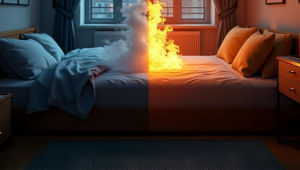
Nearly half of e-bike riders who charge at home admit they park the battery right in front of the door they’d need to run out of. That figure, from a 2024 UL Standards & Engagement survey cited in a guide for building boards, is the single number that changed how apartment buildings think about personal mobility devices. It is not the bike in the elevator that makes property managers stay up all night. It’s the charger at the kitchen counter, a spare battery at the closet, and the exit which the two are now barricading.
There seems to be one question that underlies all that follows, and all tenants, boards of directors, and building owners are silently posing it: when a lithium-ion battery in an apartment of a resident catches fire and someone is injured, who pays?
The Rulebook Buildings Are Now Writing
Multifamily housing treated e-bikes like regular bicycles. That attitude has disappeared. Policies, which are drafted over the past two years, which name lithium-ion devices, specify where they may enter, be stored, and where they may be rarely charged, are being drafted by boards, co-op counsel, and property managers.
Most of the serious policies now cover the same handful of items:
- Certification requirements. Buildings are increasingly refusing devices that aren’t tested to recognized standards like UL 2849 for e-bike electrical systems and UL 2272 for personal e-mobility devices. Uncertified conversion kits and mystery replacement batteries are where most of the deadly fires start.
- Charging location. In-unit charging is being restricted or banned outright in favor of designated rooms with heat detection, sprinklers, and physical separation from living space. Shared storage or charging rooms holding six or more devices trigger a separate set of fire code requirements in many jurisdictions.
- Storage geometry. No batteries near exits, in stairwells, or blocking egress paths. That share of riders charging directly in front of their own front door is the reason this line exists.
- Insurance and indemnification. Newer leases push responsibility for damage caused by a resident’s device back onto the resident and require proof of renter’s insurance that actually covers it.
The Numbers Moved Because People Died
The construction policies shifted rapidly since the number of casualties eventually drew the concern of municipalities. New York City documented 18 lithium-ion battery fire fatalities in 2023, and the rates had reduced to six in 2024 following a surge of enforcement, education, and a certification requirement of e-mobility gadgets sold in the city. Incidents of fire remained relatively constant. Deaths reduced since individuals ceased to charge in areas most likely to kill them.
That’s the good news. What is more difficult to be absorbed by anyone who lives in a building with e-bikes or rents there is that the increase was disproportional. A building where no policy was implemented, no one ever checked the charging spots, and no one ever explained to the residents what batteries are safe is a building where the old numbers still count.
What an Injured Resident Should Actually Do
If you’re the neighbor in the smoke-filled hallway, the fight over who’s responsible starts within days, not months. A few things matter more than the rest:
- Get medical care and keep the records. Smoke inhalation and burn injuries can worsen over 24 to 72 hours. Follow-up visits create the paper trail that later proves the injury came from this fire.
- Preserve what’s left. The remains of the battery, the charger, and any packaging are the physical evidence a product-liability claim depends on. Don’t let anyone throw them out during cleanup.
- Get the building’s paperwork. The house rules, the lease addendum on mobility devices, any prior complaints about that unit, and any inspection logs. What the building knew and when it knew it drives the claim against the owner.
- Talk to a lawyer before you talk to insurers. Renter’s carriers, the building’s carrier, and any third-party liability carrier will each want a recorded statement. An experienced personal injury attorney can sort out which claims belong where and keep an early statement from being used to shrink a larger recovery later.
Any serious claim after one of these fires has to pull three things apart at once: the battery is a consumer product, the building that housed it is a landlord with duties, and the policy covering either one is a contract full of exclusions. The resident who lost a home, or a family member, shouldn’t be the one doing that sorting alone.