Tips to Select the Right Rohrheizkorper for Industrial Applications
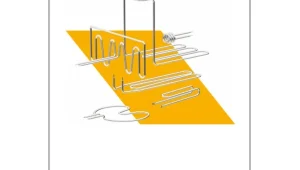
In German industry, heating elements have to do more than simply produce heat. They need to fit the equipment, maintain a controlled temperature, and keep working through repeated production cycles. That makes selecting the right Rohrheizkörper an engineering decision rather than a simple component purchase. Tubular heating elements are used in industrial ovens, heating systems, tanks, air heaters, and many other applications where controlled electric heating is required. From an application perspective, the right selection starts with the process itself: required temperature, heating medium, available installation space, heating capacity, and operating conditions. Getting these details right can reduce premature failures and unnecessary maintenance.
What is a Rohrheizkörper and its Uses in Industries?
A Rohrheizkörper, or tubular heating element if you’re working in English, is pretty straightforward on paper. A resistance wire sits inside a metal tube. Run electricity through it, and the wire heats up; then that heat moves through the tube wall into whatever’s around it, air, water, oil, metal, you name it.
Simple idea. But the details make or break it. Sheath material, insulation, the resistance wire itself, dimensions, wattage, how the terminals are set up, all of it shapes how the heater actually performs once it’s installed and running.
Where Are Rohrheizkörper Used?
- Industrial ovens, for drying and heat-treating air or process chambers.
- Air heating systems, moving heat into air or other gases as they pass through.
- Tanks and vessels, warming liquids or process fluids, as long as the element is built for that medium.
- Heating equipment more broadly, giving machinery direct or indirect electric heat.
- Industrial furnaces, where the element’s temperature rating has to line up with what the furnace demands.
One practical point is often missed during specification: the heater isn’t working alone. It’s part of a system. Heat transfer, control setup, where it’s installed, the operating cycle, all of that shapes how well it performs. A heater that runs beautifully in one plant can burn out fast in another if those surrounding conditions are different.
How to Select the Best Rohrheizkörper for Industrial Applications?
Start with what the process actually needs. Then move to the electrical and mechanical specs of the heater itself. If you start with wattage and work backwards, you’ll often end up with uneven heat, surface temperatures that run too hot, or an element that fails way before it should.
1. Define the Required Heating Capacity
Figure out how much heat the job really calls for. For heating a liquid, that usually means looking at the mass of the fluid, its specific heat, how much you need the temperature to rise, how fast, and how much heat you’ll lose along the way.
Heating 100 kg of water by 50°C is a completely different job from just keeping an already-hot tank at temperature. Base the power requirement on what the process needs, not on whatever electrical supply happens to be sitting there.
2. Check the Maximum Operating Temperature
The process temperature and the element’s rated temperature need to line up. Don’t confuse the temperature of the surrounding process medium with the surface temperature of the heating element.
An element operating in stagnant air, for example, can experience a different thermal load from one transferring heat into a moving fluid. This affects sheath temperature and element life.
3. Select the Right Sheath Material
The sheath takes the brunt of whatever environment it’s sitting in, so this choice matters more than people sometimes think. Think through process temperature, moisture, chemical exposure, oxidation, direct contact with the medium being heated, and any mechanical stress it’ll face.
Stainless steels and nickel alloys tend to come up a lot for demanding industrial jobs, but there’s no universal answer here. Check chemical compatibility before you commit to anything.
4. Consider Watt Density
Watt density refers to the heating power distributed over the active surface area of the element. A high watt density can produce higher surface temperatures.
That isn’t automatically bad. But if the heated medium is sensitive to high local temperatures, excessive watt density can cause problems such as overheating, deposits, or damage to the surrounding material.
Increase the surface area of the element so you get the power you need without cranking up the surface temperature.
5. Match the Mechanical Configuration
The available installation space should be defined before ordering the heater. Length, diameter, bend configuration, how it mounts, where the terminals sit, clearance from other components, all of it needs checking.
A few millimetres can matter when a heating element has to fit inside an existing machine or process chamber.
6. Check Electrical Requirements
Voltage, wattage, phase, connection type, control method, all of it has to match the plant’s electrical system, and the heater needs to play nicely with whatever temperature controller and switching gear you’re using.
For anything at industrial scale, get a qualified engineer to review the electrical design. Don’t treat the heating element like a drop-in replacement part.
7. Think About the Complete Heating System
A heater is only as good as the control system around it. Thermocouples or RTDs can track process temperature, and a decent controller keeps the heater doing what it’s supposed to do.
In real plants, heaters that keep failing usually aren’t the actual problem. Bad temperature control, weak heat transfer, sloppy installation, or running the thing outside its design conditions, these are often the real culprits. Reviewing the complete setup before replacement can save repeated maintenance work.
Final Words
Choosing a Rohrheizkörper is mainly about matching the heating element to the process. Temperature range, required heating capacity, watt density, sheath material, electrical configuration, installation geometry, and heat transfer conditions all deserve attention before specification. A technically suitable element can provide reliable heating for years, while a poorly matched one may develop premature failures even when its basic electrical rating looks correct. For German industrial applications, where equipment often operates continuously and process consistency matters, selection should begin with actual operating conditions. A good engineering specification doesn’t just ask, “How much power do we need?” It asks, “How will that heat behave inside the process?”