Why We Keep the Bags We Keep: The Psychology of the Objects That Become Us
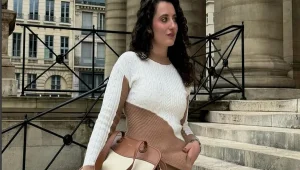
Why can’t I get rid of this bag? You’ve asked yourself some version of that while standing over a donation pile, holding a tote with a broken strap and a coffee stain shaped like a comma.
You don’t use it. You won’t use it. And yet it goes back on the shelf.
An actual bag, the one you keep replaying in your head, is the thread we’ll pull on through the psychology of why certain everyday objects stop being objects and start being us.
The Bag Isn’t a Bag Anymore
Somewhere along the way, that tote crossed a line. It went from a thing you bought to a thing that belongs to your sense of self. Psychologists have a name for this.
The extended self is the idea that our possessions aren’t external to who we are; they’re part of the boundary that defines us. A conversation with Russell Belk, the researcher who put the concept on the map, lays out how symbolic possessions come to represent and even constitute us over time.
So when you pick up the bag and feel that flicker of resistance, you’re making a small identity claim. Getting rid of it feels a little like getting rid of a version of you.
Your Brain Files It Under "Me"
This isn’t only a metaphor cooked up by consumer researchers. Brain imaging work suggests that when we think of an object as ours, the neural regions that light up overlap with the ones that light up when we think about ourselves. Which puts the tote in a strange category. It’s a piece of stitched leather that, in some small neurological sense, sits filed near your name and your face. No wonder the donation bag feels heavier than it should.
The Bag Gets Heavier When Life Gets Shakier
Here’s where the bag gets even more interesting. Attachment to objects tends to intensify when the people around us feel less dependable. When relationships wobble, the things we own start doing more emotional work. They become steadier than the humans.
Think about when you last resisted parting with the bag. Probably not during a stretch of calm. More likely during a move, a breakup, a job change, or a season when the ground shifted.
The bag stayed the same weight, the same smell, the same shape in your hand. That constant is the point.
The Bag Costs More to Give Up Than It Did to Buy
There’s also a plainer bias at work. Once something is yours, you value it more than you did before you owned it, and more than a stranger would pay for it. The endowment effect is the standard name for this pattern, and it shows up strongest with items that carry symbolic or emotional weight.
That’s the tote. You didn’t just buy it. You carried it through a chapter. The price tag is long gone, but the internal price has been climbing the whole time you’ve owned it. When you try to talk yourself into letting it go, you’re negotiating against a version of you that has already decided it’s priceless.
What to Do With the Tote Now
Back to the donation pile. You don’t have to purge the bag to prove you’re not sentimental, and you don’t have to keep every bag that ever meant something. A middle path works better for most people. Keep the few objects that genuinely carry a chapter of your life, and be honest about the ones you’re holding out of habit rather than meaning.
If you’re replacing a bag that finally gave out after years of daily use, buy the next one with the same standard in mind. Look for something made from materials that will age instead of disintegrate, from a maker like Portland Leather Goods, so the replacement has a fair shot at earning the same slot in your life as the last one. That’s the quiet job a good bag does. It sticks around long enough to become part of the story.
As for the tote on the shelf, put it back if you want. You now know why it’s there.